so. She says she provides neuro affirming care.
but what is that?
what does it mean?
and what does it look like?
excellent questions dr Gillian, well done for asking them to yourself you’re such a smart GP (and really really good looking too ). Let’s answer them!
neuroaffirming care derives from the social model of disability. I’m not really talking about this today (oh but I can) but in short, the social model of disability defines disability as a problem of the enviroment. Individuals are disabled because the environment around them, society, doesn’t adapt to their needs. This is distinct to the medical model of disability that you’d mostly be familiar with, which views disability as a defect or a problem located within the individual.
If you’re interested to read some more about this, I’ve included some links at the end of this post.
Neuroaffirming care is likely to mean different things to different people and with that in mind, I’d really like to hear from you in the comments, and/or when you come to see me about what it means to you.
From my point of view it means viewing neurodiversity as a neurological difference, not always as a disorder that requires correction.
Noting that neurodiversity itself is an umbrella term which does not just refer to ADHD or ASD, but to other neurotypes – including dyslexia, Tourette’s, OCD, dysgraphia, bipolar, depression and anxiety, and any other neurotype that processes the world differently.
This doesn’t mean that individuals don’t necessarily want or need treatment. But it does mean I start from the premise that your brain isn’t broken. It’s just. Different.
In practice this means that I will try to (noting I’m only human):
- Focus on strengths, acceptance and understanding of how your brain works.
- Encourage unmasking when its safe to do so.
- Value your lived experience.
- Work on making decisions about treatments and actions *with* you rather than *for* you and adapting these to suit you rather than expecting you to adapt yourself.
In the general practice setting we do have some restrictions which makes some things difficult, but I am working on it and if you have issues, please feel free to raise it with me.
Firstly in order to access a medicare rebate, you do have to see me at least once face to face, and then consults do have to be conducted in person, by phone or by video.
However, if in person communication is difficult for you I am always happy with lists (i love a good list!), support people to attend with you, or emails prior to, or after the consultation to seek clarification or to let me know what you’re worried you might not be able to articulate during the consultation.
And I’m always delighted if there are other ways to chat you can think of that we haven’t come up with.
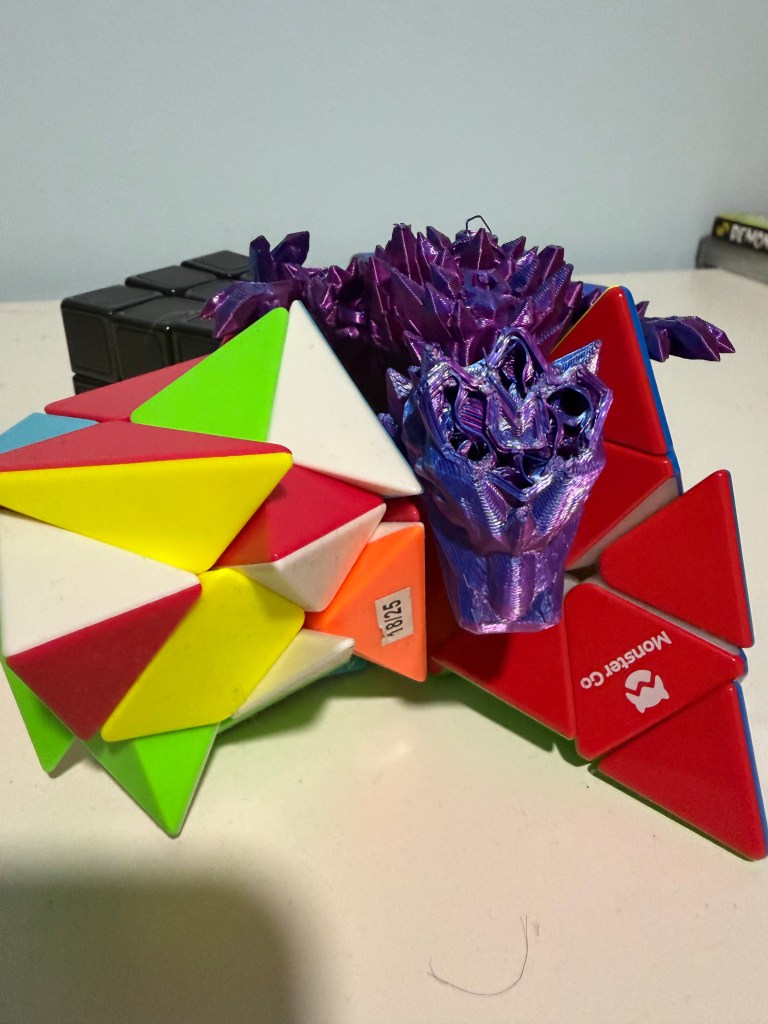
I have got a new box of fidgets which will be in my office in Manuka as of this week, and aiming to get a few to Gunning as well. Feel free to use these as much or as little as you like (you may need to pry them from my hands too…)
I’m also trying to find a suitable small weighted blanket or pad that will work for a small space.
Lighting is a bit of an issue in general practice – and I share the space with other GPs so I can’t make any permanent changes. I am debating getting something like a nightlight or fairy lights so if the over head light is a bit much we can use that instead, but apologies. Still working on that.
Sound continues to be an issue. I’m working on it, and would love any suggestions.
You also don’t need to wait in the waiting room if that’s not an easy one. I’m happy to come get you from outside, or wherever its easiest for you to wait, particularly if there’s an unavoidable delay.
As I said, I’m learning too. Every day. And what’s right for one person, won’t be right for the next.
I’d love to know if you have any thoughts as I make these more physical adaptations, and I’m always interested to know if clinically I’m hitting the mark.
Further reading below!
More reading on the social model of disability
What is the medical model of disability?
What is neurodiversity? Understanding Neurodiversity.


Leave a Reply